
Ruled vs Dot Grid vs Plain Notebooks: Which Should You Buy?
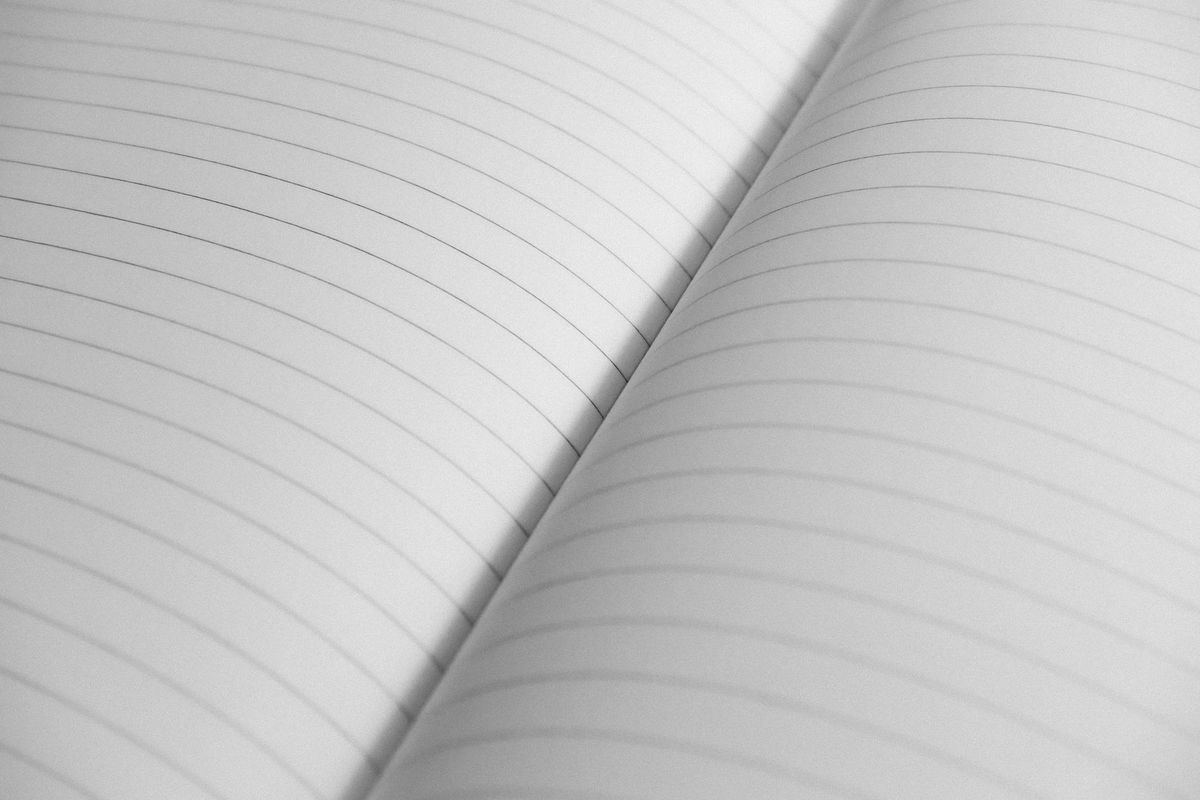
Pick up two notebooks in a shop. Same size, same cover, same price. The only real difference is what is printed on the page, and yet one will earn its keep for years while the other ends up half-empty in a drawer. Page style is the quiet decision that shapes how you write, sketch, plan and think. It is worth ten minutes of thought before you spend anything.
Why the page under your pen matters more than the cover
Lines, dots and blank space are not decoration. They are prompts. A ruled page tells you to write in straight rows from top to bottom. A dotted page suggests a grid without shouting about it. A plain page says nothing at all, which is liberating for some people and paralysing for others.
The best notebook is the one that matches the way you already work. Buy for the notes you take now, not the immaculate journal you imagine keeping one day.
Ruled pages: the dependable default
Ruled paper is the safe choice, and there is nothing wrong with safe. Horizontal lines keep handwriting level, which makes notes easier to scan later, and they encourage you to fill the page rather than leaving awkward gaps.
Take a look at the spacing before you buy. Standard ruled paper sits somewhere around 7mm to 8mm between lines. If you write large, tight ruling feels cramped and your descenders collide with the line below. If you write small, wide ruling wastes half the page. Take your own pen to the shelf and test a line or two if the shop allows it.
Ruled suits lectures, meeting minutes, book notes, diary entries and any list that runs long. It is less good for diagrams, mind maps or anything that needs to move in two directions at once.
Dot grid: structure without the cage
Dot grid paper usually uses a grid of small dots spaced roughly 4mm to 5mm apart. The dots are faint enough to ignore when you are writing prose, but present enough to align a heading, draw a table, sketch a layout or divide a page into columns by hand.
This flexibility is why dot grid has become the standard for bullet journaling and project planning. You can write a to-do list at the top of the page, rule off a box for a weekly plan in the middle, and sketch a rough diagram at the bottom without fighting the paper.
The trade-off is visual noise. Some people find dots distracting, particularly on smaller pages where they sit closer together. If you have never used dot grid, try one notebook rather than buying three.
Plain pages: freedom with a catch
Plain paper gives you nothing and asks everything. For drawing, mind mapping, sketchnoting and design work, that is exactly right. Nothing interrupts the page, and you can work from the centre outwards instead of top to bottom.
For writing, plain pages have one obvious problem: your lines drift. The usual fix is a guide sheet. Take a sheet of card, rule lines across it in dark pen, and slip it under the page you are writing on. The lines show through faintly and keep your text level. Move it down as you fill the page. It sounds fussy and takes about five minutes to make, but it solves the problem completely.
Plain notebooks also demand more decisions per page. If decision fatigue is not what you want from a notebook, ruled or dot grid will serve you better.
Matching the page to the job
Here is a quick way to line up common tasks with the right format.
- Lectures, meetings and interviews: ruled, unless you sketch diagrams while you listen, in which case dot grid.
- Bullet journaling and habit tracking: dot grid, thanks to the easy grids and boxes.
- Mind maps and brainstorm pages: plain, or dot grid if you like a bit of underlying structure.
- Project plans with tables and timelines: dot grid, which lets you draw columns without a ruler.
- Sketching and design work: plain for finished drawings, dot grid for wireframes and layouts.
- Travel journals and scrapbook-style notes: plain, so tickets, photos and sketches can sit anywhere on the page.
- Daily diary writing: ruled, ideally with generous line spacing.
There is a fourth option worth knowing about: squared or graph paper. It is excellent for maths, technical notes and anything measured. It is not covered here because it is essentially dot grid with the dots joined up, and most people find it too heavy for general writing.
Paper quality, ink and a sensible way to test
The ruling gets the attention, but the paper underneath decides whether you enjoy using the notebook. Thin paper lets ink from the reverse side show through, which makes double-sided writing frustrating. Weight is a rough guide: 80gsm is common and perfectly fine for pencil and ballpoint, while 100gsm and above handles fountain pens and heavier gel inks with far less showthrough.
Two more details worth checking:
- Lay a page flat and look at it under good light. If you can clearly see what is printed on the other side, assume it will bother you.
- Test your usual pen on the last page. Shops rarely mind, and a two-line scribble tells you more than any description on the cover.
If you are genuinely unsure, do not buy a matching set. Buy one notebook in each style, cheap ones are fine, and use them for a fortnight on real work. You will know by the end which one you reached for without thinking.
Where to land
If your notes are mostly words, choose ruled. If you mix writing with planning, tables and the occasional sketch, dot grid is the most versatile option and the safest bet when you cannot decide. If you draw, annotate or think in pictures, go plain and make yourself a guide sheet for the writing days.
Then commit to one format for a while. Flipping between page styles every few weeks means you never build the small habits — where the date goes, how you mark a task as done, how much of the page a meeting usually takes — that make a notebook genuinely useful. Pick one, fill it, and let the second purchase be an informed one.
Photo: Lighten Up / Pexels